


& Pest Inspection Estimate! 800-332-BUGS (2847)
8 Tips For Keeping Termite Swarmers Away
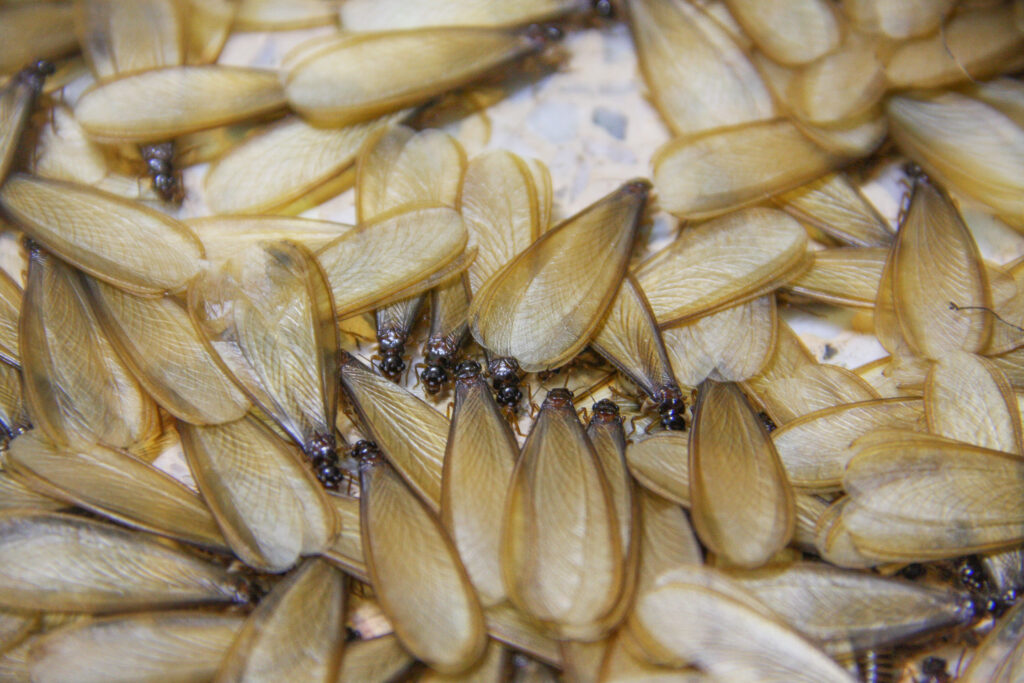
Brown winged termite swarm
Now that spring is here, most homeowners are happy to once again do outdoor fix-ups or enjoy the sunshine. Unfortunately, many pests are also waking up in spring, posing a threat to your security.
Termites are one pest that all homeowners fear. These tiny destroyers can cause significant damage to your home right under your nose. While termites can invade your home any time of year, they are most visible in spring when they swarm.
Why Do Termites Swarm in Southern California?
When Do Termites Swarm in Southern California?
Swarming is how a mature termite colony reproduces. Winged reproductives — called swarmers or alates — leave the nest in a group, pair off, and start new colonies nearby. If you see them inside your home, the colony is usually already established in or near the structure.
Different species swarm at different times of year, which is why the month you spot them tells you a lot about what you’re dealing with.
| Termite Type | Swarm Window | Typical Trigger |
|---|---|---|
| Subterranean | February – May | Warm days after rainfall, usually mid-morning to afternoon |
| Drywood | August – November | Warm evenings; swarmers are drawn to porch lights and windows |
| Formosan | May – August | Humid evenings at dusk; swarms are large and heavily attracted to light |
Because Southern California stays warm year-round, our swarm seasons run longer than most of the country and can overlap. A single property can see subterranean swarmers in spring and drywood swarmers the same fall — which usually means two separate colonies, not one.
Finding discarded wings on a windowsill after a swarm is one of the clearest signs of termite activity in a home, even if you never saw the swarm itself.
Swarmer or Flying Ant?
Winged termites and winged ants swarm at the same time of year and get mistaken for each other constantly. Three details tell them apart, and you can check all three without touching the insect.
| What to Check | Termite Swarmer | Flying Ant |
|---|---|---|
| Wings | Four wings, all the same length, extending well past the body | Front wings noticeably longer than back wings |
| Waist | Straight and broad — the body looks like one tube | Sharply pinched, like an hourglass |
| Antennae | Straight, slightly beaded | Bent at a sharp elbow |
Quick field test: termite wings snap off easily. If you find a pile of identical loose wings near a window or light fixture, those came from termites — ants keep their wings much longer.
Not sure what you found? Compare flying ants and termites side by side with photos of both.
Swarmers are the termites that mate and reproduce. The combination of warmer weather and April rains bring these swarmers out. These winged termites fly away from the colony when it has grown too large to start a new colony. Swarmers will not destroy your home, but their presence means that there is an infestation nearby or already in your home. One of these swarmers will become the new queen, laying the eggs that will become the worker termites that feed on your home.
Eight Tips For Fending Off Termite Swarmers
Whether you’ve seen a swarm or not, here are eight tips to help you fend off termite swarmers:
- Eliminate any leaking or standing water from around your home. This includes leaky outdoor faucets, pipes, and air conditioners. Divert standing water from your property. Clean gutters can cause pools and puddles.
- Store firewood at least 20 feet from your home and elevated off the ground.
- Routinely inspect the foundation of your home. Look for the mud tubes that termites travel through. Ensure there is an 18-inch gap between the wooden parts of your home and the soil. Don’t allow mulch to butt up to your foundation, and keep plants from touching your home.
- Make sure you have adequate weatherstripping on all doors and windows.
- Clear your property of the dead branches, stumps, and brush piles where termites can live.
- Keep your attic and basement clear of clutter. Termites eat cardboard, so instead use sealed plastic storage bins and metal shelving.
- Water your plants and gardens in the morning so excess water has time to dry from the sun.
- Schedule an annual termite inspection and use professional preventative measures.
What To Do If You’ve Seen A Swarm
Termites are a pest that cannot be eradicated on one’s own. A licensed exterminator such as Ecola can conduct a free termite inspection. Your pest professional can recommend preventative and termite control solutions depending on the type of termite and extent of the problem. Call Ecola today to schedule your inspection at 1-800-332-BUGS (2847). Your prompt action can save your home from the extensive damage termites cause.